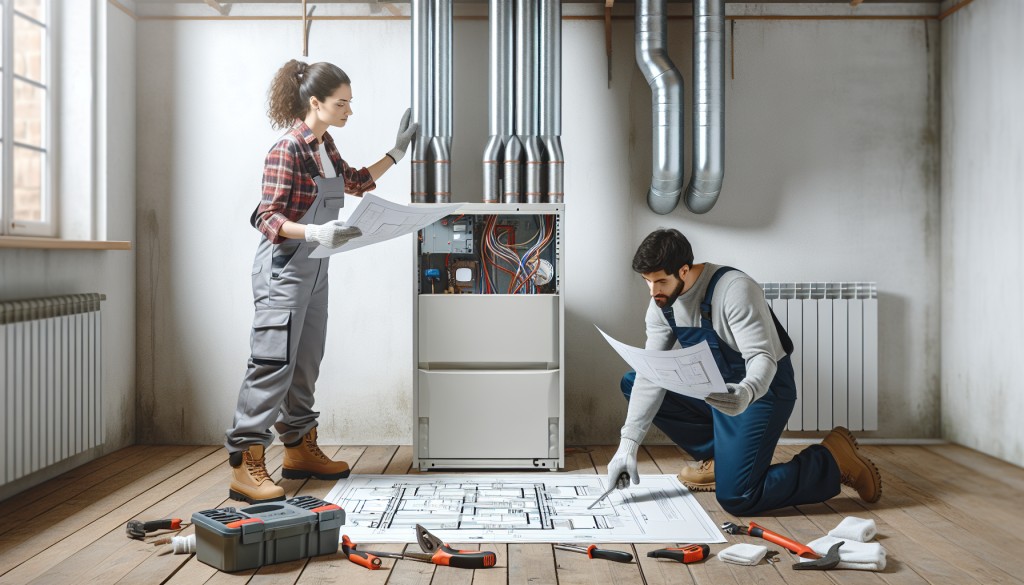
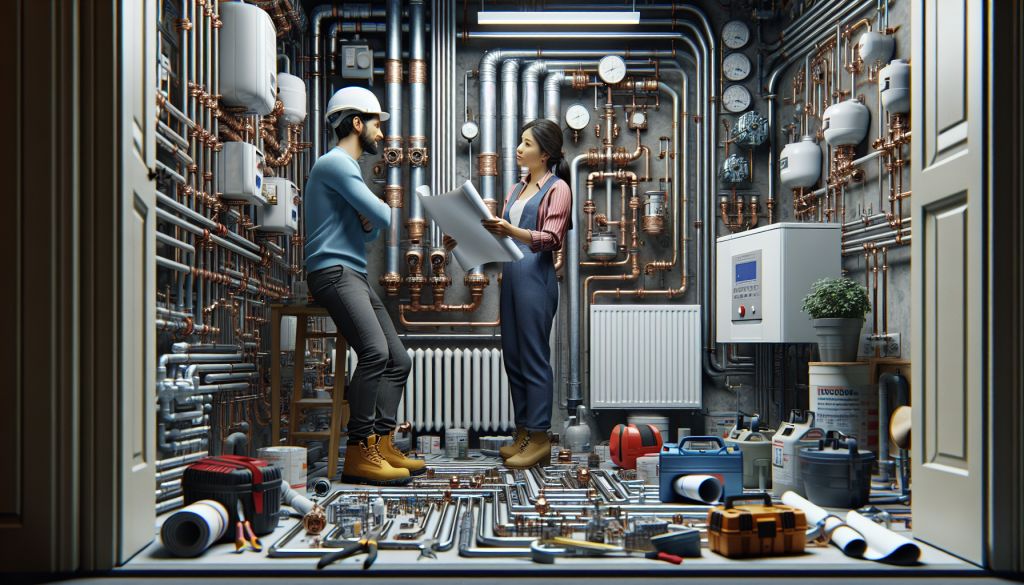
When the winter cool embed in and you discover yourself huddled up in layers of garments inside your home, the last thing you want is the shock of an uncommonly high energy bill. Visit https://sites.google.com/view/ducted-gas-heating-service/home to have your ducted heating installion date booked.. Its a scenario that many home owners deal with, and it commonly serves as a telltale sign that something is amiss with the furnace. If your power bills have been creeping up without a clear description, it might be time to consider the condition of your present heating system and the feasible requirement for a new ducted heating installation. Below are five reasons this could be the instance:
Inefficient Heating System: Older heating systems or those that have actually not been frequently kept can shed their performance with time. Inefficient systems have to function harder and run longer to produce the same quantity of warmth, consuming more power and bring about those uncommonly high expenses.
Poor Insulation and Ductwork: Your heating unit could be healthy, yet if your home's insulation is poor or the ductwork is dripping, youll shed a significant amount of heat. This makes your system work overtime to make up for the loss, thus elevating your power expenses. A brand-new ducted heating installation can ensure that your home is appropriately sealed and protected, reducing energy wastefulness.
Zoned Heating Control: Modern ducted furnace feature the benefit of zoned heating control, enabling you to warm just the locations of your home that are in usage. If youre heating your whole home without this function, youre most likely utilizing a lot more power than essential. A brand-new system might provide the benefit and effectiveness of targeted heating.
Outdated Technology: Heating technology has come a long means in recent times, with newer systems boasting greater effectiveness scores and smarter energy use. If your heating system is decades old, it likely does not utilize the innovations in innovation that can be saving you cash on your power expenses.
Constant Repair works: Are you continuously calling the service technician to fix your heater? Not only are you incurring the prices of repair services, yet a system that needs constant fixing most likely isn't operating at peak performance. Investing in a new ducted heating installation may feel like a substantial ahead of time cost, yet it can conserve you money over time by getting rid of the need for constant fixings and lowering your power expenses.
High power bills are greater than just a strain on your pocketbook-- theyre a clear sign that your current furnace might not depend on the job of providing budget friendly, comfy heat throughout the
Cold Spots and Inconsistent Temperatures Throughout Your Home
If youve ever found on your own grabbing a coat in one space, only to shed layers upon getting in one more, you may be experiencing the frustrating issue of cool areas and irregular temperature levels throughout your home. This is more than just a small inconvenience; its a clear indication that your existing furnace isn't doing its work successfully, and it may be time to take into consideration a ducted heating installation.
Cold spots typically occur when your heating unit is not able to distribute warm air equally throughout your home. This can be due to a selection of factors, such as inadequate insulation, leaks in your ductwork, or an aging a/c system that simply cant stay on top of the demands of your home. Inconsistent temperatures can likewise be a symptom of an improperly sized heating device that has a hard time to maintain a consistent environment, or one thats not zoned effectively for your homes format.
Living with these temperature inconsistencies can not just affect your comfort however also your health, as it can exacerbate concerns like colds and breathing problems. Moreover, its an indication of ineffectiveness thats most likely reflected in your energy costs. When your system has to work more difficult to heat your home, it takes in much more power, resulting in higher prices and boosted damage on the unit itself.
The service to this problem might lie in the installation of a new ducted heating unit. Ducted heating supplies a smooth and reliable means to heat every corner of your home. With a network of ducts concealed in your floors or ceilings, cozy air is pressed right into each space through vents, guaranteeing also temperature levels and removing those pesky chilly spots.
A well-designed ducted system can likewise consist of zoning capabilities, permitting you to warm particular locations of your home as required. This suggests you can preserve a comfortable temperature in your living room throughout the day and only warmth the rooms in the evening, which can dramatically reduce your energy consumption and costs.
In addition to offering regular warmth, contemporary ducted heating systems are also equipped with filters that purify the air, reducing dust and allergens and adding to a healthier living environment. And with the latest technology, you can take pleasure in attributes like programmable thermostats and wise controls that enable you to manage your homes temperature with ease, even when youre away.
Finally, if youre regularly troubled by chilly areas and irregular temperatures in your home, its most likely a sign that your heating system is falling short to meet your requirements. As opposed to settling for a life of layering and location-based convenience
The Age of Your Current Heating System: Out with the Old, In with the New
When we talk about the age of your current heating system, we discuss a pivotal aspect of home maintenance that typically goes unnoticed until its far too late. The old expression "" out with the old, in with the new"" rings especially real when it involves ducted heating installments. As time progress, even one of the most reputable systems start to reveal their age, bring about ineffectiveness, enhanced costs, and discomfort. In this context, allows explore 5 indicators that show the immediate requirement for a brand-new ducted heating installation.
First of all, consider the age of your current system. Heater usually have a life-span ranging in between 15 to 20 years, depending on upkeep and brand name quality. If your own is within this age brace or older, its high time to take into consideration an upgrade. Aging systems are vulnerable to failures and can become less power efficient, stopping working to give the essential warmth or doing so at a greater operational cost.
Secondly, rising energy costs are a telltale sign. If youve saw a sudden spike in your energy expenses without an equivalent increase in use, your system is most likely working overtime to compensate for its declining effectiveness. This is a clear indication that your heating system gets on its last legs and a newer, much more energy-efficient design might conserve you cash over time.
Third, pay attention to the audios your system makes. Odd sounds such as knocking, clanking, or whirring recommend that various elements may be broken or malfunctioning. These sounds can be the death knell for an old system, signaling that substitute components may no longer suffice or cost-efficient.
Fourthly, inconsistent heating throughout your home mean an underlying concern with your ducted system. If some spaces are too warm while others stay cold, your heater is battling to distribute air uniformly. This inadequacy not just impacts your convenience however also mirrors the reduced ability of your aging system.
Lastly, take into consideration the regularity of repair work. If you discover on your own often calling service technicians to take care of recurring issues, its comparable to restoring a sinking ship. The price and aggravation of repairs can rapidly accumulate, making the investment in a brand-new ducted heating system a lot more affordable and less stressful.
In conclusion, recognizing the age of your heating unit and observing these indication can save you from the biting chilly and unanticipated costs. Welcoming the principle of "" out with the old, in with the new"" is not almost staying on par with the most recent technology; its about making certain
Constant Repair Work and Maintenance Issues: When Sufficient suffices
When it pertains to maintaining a comfortable home, your furnace plays an essential function, specifically during the colder months. One essential part of this system is the ductwork, which is responsible for distributing cozy air throughout your home. Nevertheless, like any other part of your home, your ductwork undergoes deterioration over time, bring about regular repair services and maintenance concerns. But just how do you understand when these repair services are an indication that its time for a ducted heating installation? Below are five signs that suggest it may be time to act.
Increasing Power Expenses: If youve noticed your power expenses creeping up without a corresponding increase in usage, maybe an indication of inefficiencies in your ducted heater. Ducts with leakages, holes, or poor insulation can significantly decrease your systems effectiveness, triggering your heating system to function harder and increase your power costs. If repair services are no more cutting it, a new ducted heating installation may be the much more cost-efficient service over time.
Inconsistent Heating: Are some spaces in your residence constantly too chilly while others are also warm? This can be due to concerns with your ductwork, such as obstructions, leaks, or inadequate layout. If youve had these issues attended to numerous times without lasting improvement, it's a clear sign that your existing system is incapable to distribute warmth uniformly, and a new ducted heating unit might be needed.
Age of the System: Heating unit typically have a lifespan of 15-20 years, relying on the top quality of the installation and routine upkeep. If your system is coming close to or has actually exceeded this age, and youre encountering regular breakdowns or maintenance problems, its most likely time for an upgrade. More recent systems are more effective and trustworthy, possibly saving you from the migraine of continuous repair services.
Poor Air High quality: If youve observed an increase in dirt or a decrease in air top quality inside your home, maybe because of jeopardized ductwork. Aging air ducts can collect dirt and other irritants, and also come to be a breeding place for mold and mildew and mildew if wetness is present. If cleaning and fixings have not improved the situation, its a strong indication that your ducts are past their life span, and a brand-new system remains in order.
Unusual Sounds: Your heater must operate fairly silently. If you listen to rattling, humming, or whistling sounds originating from your ducts, its often an indication
About Central heating
Type of heating system
A condensing boilerHot water central heating unit, using wood as fuel
A central heating system provides warmth to a number of spaces within a building from one main source of heat.
A central heating system has a furnace that converts fuel or electricity to heat through processes. The heat is circulated through the building either by fans forcing heated air through ducts, circulation of low-pressure steam to radiators in each heated room, or pumps that circulate hot water through room radiators. Primary energy sources may be fuels like coal or wood, oil, kerosene, natural gas, or electricity.
Compared with systems such as fireplaces and wood stoves, a central heating plant offers improved uniformity of temperature control over a building, usually including automatic control of the furnace. Large homes or buildings may be divided into individually controllable zones with their own temperature controls. Automatic fuel (and sometimes ash) handling provides improved convenience over separate fireplaces. Where a system includes ducts for air circulation, central air conditioning can be added to the system. A central heating system may take up considerable space in a home or other building, and may require supply and return ductwork to be installed at the time of construction.
Central heating differs from space heating in that the heat generation occurs in one place, such as a furnace room or basement in a house or a mechanical room in a large building (though not necessarily at the geometrically "central" point). The heat is distributed throughout the building, typically by forced-air through ductwork, by water circulating through pipes, or by steam fed through pipes. The most common method of heat generation involves the combustion of fossil fuel in a furnace or boiler.
In much of the temperate climate zone, most detached housing has had central heating installed since before the Second World War. Where coal was readily available (i.e. the anthracite coal region in northeast Pennsylvania in the United States) coal-fired steam or hot water systems were common. Later in the 20th century, these were updated to burn fuel oil or gas, eliminating the need for a large coal storage bin near the boiler and the need to remove and discard coal ashes.
A cheaper alternative to hot water or steam heat is forced hot air. A furnace burns fuel oil or gas, which heats air in a heat exchanger, and blower fans circulate the warmed air through a network of ducts to the rooms in the building. This system is cheaper because the air moves through a series of ducts instead of pipes, and does not require a pipe fitter to install. The space between floor joists can be boxed in and used as some of the ductwork, further lowering costs.
The four different generations of district heating systems and their energy sources
Electrical heating systems occur less commonly and are practical only with low-cost electricity or when ground source heat pumps are used. Considering the combined system of thermal power station and electric resistance heating, the overall efficiency will be less than for direct use of fossil fuel for space heating.[1]
Some other buildings utilize central solar heating, in which case the distribution system normally uses water circulation.
Alternatives to such systems are gas heaters and district heating. District heating uses the waste heat from an industrial process or electrical generating plant to provide heat for neighboring buildings. Similar to cogeneration, this requires underground piping to circulate hot water or steam.
Use of the ondol has been found at archaeological sites in present-day North Korea. A Neolithic Age archaeological site, circa 5000 BC, discovered in Sonbong, Rason, in present-day North Korea, shows a clear vestige of gudeul in the excavated dwelling (Korean: 움집).
The main components of the traditional ondol are an agungi (firebox or stove) accessible from an adjoining room (typically kitchen or master bedroom), a raised masonry floor underlain by horizontal smoke passages, and a vertical, freestanding chimney on the opposite exterior wall providing a draft. The heated floor, supported by stone piers or baffles to distribute the smoke, is covered by stone slabs, clay and an impervious layer such as oiled paper.
Early ondols began as gudeul that provided the heating for a home and for cooking. When a fire was lit in the furnace to cook rice for dinner, the flame would extend horizontally because the flue entry was beside the furnace. This arrangement was essential, as it would not allow the smoke to travel upward, which would cause the flame to go out too soon. As the flame would pass through the flue entrance, it would be guided through the network of passages with the smoke. Entire rooms would be built on the furnace flue to create ondol floored rooms.[2]
Ondol had traditionally been used as a living space for sitting, eating, sleeping and other pastimes in most Korean homes before the 1960s. Koreans are accustomed to sitting and sleeping on the floor, and working and eating at low tables instead of raised tables with chairs.[3] The furnace burned mainly rice paddy straws, agricultural crop waste, biomass or any kind of dried firewood. For short-term cooking, rice paddy straws or crop waste was preferred, while long hours of cooking and floor heating needed longer-burning firewood. Unlike modern-day water heaters, the fuel was either sporadically or regularly burned (two to five times a day), depending on frequency of cooking and seasonal weather conditions.
The ancient Greeks originally developed central heating. The temple of Ephesus was heated by flues planted in the ground and circulating the heat which was generated by fire. Some buildings in the Roman Empire used central heating systems, conducting air heated by furnaces through empty spaces under the floors and out of pipes (called caliducts)[4] in the walls—a system known as a hypocaust.[5][6]
After the collapse of the Roman Empire, overwhelmingly across Europe, heating reverted to more primitive fireplaces for almost a thousand years.
In the early medieval Alpine upland, a simpler central heating system where heat travelled through underfloor channels from the furnace room replaced the Roman hypocaust at some places. In Reichenau Abbey a network of interconnected underfloor channels heated the 300 m2 large assembly room of the monks during the winter months. The degree of efficiency of the system has been calculated at 90%.[8]
William Strutt designed a new mill building in Derby with a central hot air furnace in 1793, although the idea had been already proposed by John Evelyn almost a hundred years earlier. Strutt's design consisted of a large stove that heated air brought from the outside by a large underground passage. The air was ventilated through the building by large central ducts.
In 1807, he collaborated with another eminent engineer, Charles Sylvester, on the construction of a new building to house Derby's Royal Infirmary. Sylvester was instrumental in applying Strutt's novel heating system for the new hospital. He published his ideas in The Philosophy of Domestic Economy; as exemplified in the mode of Warming, Ventilating, Washing, Drying, & Cooking, ... in the Derbyshire General Infirmary in 1819. Sylvester documented the new ways of heating hospitals that were included in the design, and the healthier features such as self-cleaning and air-refreshing toilets.[10] The infirmary's novel heating system allowed the patients to breathe fresh heated air whilst old air was channeled up to a glass and iron dome at the centre.[11]
Their designs proved very influential. They were widely copied in the new mills of the Midlands and were constantly improved, reaching maturity with the work of de Chabannes on the ventilation of the House of Commons in the 1810s. This system remained the standard for heating small buildings for the rest of the century.
Thomas Tredgold, a noted engineer and authority on central heating systems in the early 19th century
The English writer Hugh Plat proposed a steam-based central heating system for a greenhouse in 1594, although this was an isolated occurrence and was not followed up until the 18th century. Colonel Coke devised a system of pipes that would carry steam around the house from a central boiler, but it was James Watt the Scottish inventor who was the first to build a working system in his house.[12]
A central boiler supplied high-pressure steam that then distributed the heat within the building through a system of pipes embedded in the columns. He[clarification needed] implemented the system on a much larger scale at a textile factory in Manchester. Robertson Buchanan wrote the definitive description of these installations in his treatises published in 1807 and 1815. Thomas Tredgold's work Principles of Warming and Ventilating Public Buildings, delineated the method of the application of hot steam heating to smaller, non-industrial buildings. This method had superseded the hot air systems by the late 19th century.
Early hot water systems were used in Ancient Rome for heating the Thermæ.[13] Another early hot water system was developed in Russia for central heating of the Summer Palace (1710–1714) of Peter the Great in Saint Petersburg. Slightly later, in 1716, came the first use of water in Sweden to distribute heating in buildings. Mårten Triewald, a Swedish engineer, used this method for a greenhouse at Newcastle upon Tyne. Jean Simon Bonnemain (1743–1830), a French architect,[14] introduced the technique to industry on a cooperative, at Château du Pêcq, near Paris.
However, these scattered attempts were isolated and mainly confined in their application to greenhouses. Tredgold originally dismissed its use as impractical, but changed his mind in 1836, when the technology went into a phase of rapid development.[15]
Early systems had used low pressure water systems, which required very large pipes. One of the first modern hot water central heating systems to remedy this deficiency was installed by Angier March Perkins in London in the 1830s. At that time central heating was coming into fashion in Britain, with steam or hot air systems generally being used.
Perkins' 1832 apparatus distributed water at 200 degrees Celsius (392 °F) through small diameter pipes at high pressure. A crucial invention to make the system viable was the thread screwed joint, that allowed the joint between the pipes to bear a similar pressure to the pipe itself. He also separated the boiler from the heat source to reduce the risk of explosion. The first unit was installed in the home of Governor of the Bank of EnglandJohn Horsley Palmer so that he could grow grapes in England's cold climate.[16]
His systems were installed in factories and churches across the country, many of them remaining in usable condition for over 150 years. His system was also adapted for use by bakers in the heating of their ovens and in the making of paper from wood pulp.
Franz San Galli, a Prussian-born Russian businessman living in St. Petersburg, invented the radiator between 1855 and 1857, which was a major step in the final shaping of modern central heating.[17][18] The Victorian cast iron radiator became widespread by the end of the 19th century as companies, such as the American Radiator Company, expanded the market for low cost radiators in the US and Europe.
The energy source selected for a central heating system varies by region. The primary energy source is selected on the basis of cost, convenience, efficiency and reliability. The energy cost of heating is one of the main costs of operating a building in a cold climate. Some central heating plants can switch fuels for reasons of economy and convenience; for example, a home owner may install a wood-fired furnace with electrical backup for occasional unattended operation.
Solid fuels such as wood, peat or coal can be stockpiled at the point of use, but are inconvenient to handle and difficult to automatically control. Wood fuel is still used where the supply is plentiful and the occupants of the building don't mind the work involved in hauling in fuel, removing ashes, and tending the fire. Pellet fuel systems can automatically stoke the fire, but still need manual removal of ash. Coal was once an important residential heating fuel but today is uncommon, and smokeless fuel is preferred as a substitute in open fireplaces or stoves.
Liquid fuels are petroleum products such as heating oil and kerosene. These are still widely applied where other heat sources are unavailable. Fuel oil can be automatically fired in a central heating system and requires no ash removal and little maintenance of the combustion system. However, the variable price of oil on world markets leads to erratic and high prices compared to some other energy sources. Institutional heating systems (office buildings or schools, for example) can use low-grade, inexpensive bunker fuel to run their heating plants, but capital cost is high compared to more easily managed liquid fuels.
Natural gas is a widespread heating fuel in North America and northern Europe. Gas burners are automatically controlled and require no ash removal and little maintenance. However, not all areas have access to a natural gas distribution system. Liquefied petroleum gas or propane can be stored at the point of use and periodically replenished by a truck-mounted mobile tank.
Some areas have low cost electric power, making electric heating economically practical. Electric heating can either be purely resistance-type heating or make use of a heat pump system to take advantage of low-grade heat in the air or ground.
A district heating system uses centrally located boilers or water heaters and circulates heat energy to individual customers by circulating hot water or steam. This has the advantage of a central highly efficient energy converter that can use the best available pollution controls, and that is professionally operated. The district heating system can use heat sources impractical to deploy to individual homes, such as heavy oil, wood byproducts, or nuclear fission. The distribution network is more costly to build than for gas or electric heating, and so is only found in densely populated areas or compact communities.
Not all central heating systems require purchased energy. A few buildings are served by local geothermal heat, using hot water or steam from a local well to provide building heat. Such areas are uncommon. A passive solar system requires no purchased fuel but needs to be carefully designed for the site.
Heater outputs are measured in kilowatts or BTUs per hour. For placement in a house, the heater, and the level of output required for the house, needs to be calculated. This calculation is achieved by recording a variety of factors – namely, what is above and below the room you wish to heat, how many windows there are, the type of external walls in the property and a variety of other factors that will determine the level of heat output that is required to adequately heat the space. This calculation is called a heat loss calculation and can be done with a BTU Calculator. Depending on the outcome of this calculation, the heater can be exactly matched to the house.[19][20][21]
Radiators through which the heated water passes in order to release heat into rooms.
The circulating water systems use a closed loop; the same water is heated and then reheated. A sealed system provides a form of central heating in which the water used for heating circulates independently of the building's normal water supply.
Expansion tank in a sealed systemA straight braided filling loop used to add water to a sealed central heating system in the UK
An expansion tank contains compressed gas, separated from the sealed-system water by a diaphragm. This allows for normal variations of pressure in the system. A safety valve allows water to escape from the system when pressure becomes too high, and a valve can open to replenish water from the normal water supply if the pressure drops too low. Sealed systems offer an alternative to open-vent systems, in which steam can escape from the system, and gets replaced from the building's water supply via a feed and central storage system.
Heating systems in the United Kingdom and in other parts of Europe commonly combine the needs of space heating with domestic hot-water heating. These systems occur less commonly in the USA. In this case, the heated water in a sealed system flows through a heat exchanger in a hot-water tank or hot-water cylinder where it heats water from the regular potable water supply for use at hot-water taps or appliances such as washing machines or dishwashers.
Hydronic radiant floor heating systems use a boiler or district heating to heat water and a pump to circulate the hot water in plastic pipes installed in a concrete slab. The pipes, embedded in the floor, carry heated water that conducts warmth to the surface of the floor, where it broadcasts heat energy to the room above. Hydronic heating systems are also used with antifreeze solutions in ice and snow melt systems for walkways, parking lots and streets. They are more commonly used in commercial and whole house radiant floor heat projects, whereas electric radiant heat systems are more commonly used in smaller "spot warming" applications.
A steam heating system takes advantage of the high latent heat which is given off when steam condenses to liquid water. In a steam heating system, each room is equipped with a radiator which is connected to a source of low-pressure steam (a boiler). Steam entering the radiator condenses and gives up its latent heat, returning to liquid water. The radiator in turn heats the air of the room, and provides some direct radiant heat. The condensate water returns to the boiler either by gravity or with the assistance of a pump. Some systems use only a single pipe for combined steam and condensate return. Since trapped air prevents proper circulation, such systems have vent valves to allow air to be purged. In domestic and small commercial buildings, the steam is generated at relatively low gauge pressure, less than 15 psi (100 kPa).[citation needed]
Steam heating systems are rarely installed in new single-family residential construction owing to the cost of the piping installation. Pipes must be carefully sloped to prevent trapped condensate blockage. Compared to other methods of heating, it is more difficult to control the output of a steam system. However, steam can be sent, for example, between buildings on a campus to allow use of an efficient central boiler and low cost fuel. Tall buildings take advantage of the low density of steam to avoid the excessive pressure required to circulate hot water from a basement-mounted boiler. In industrial systems, process steam used for power generation or other purposes can also be tapped for space heating. Steam for heating systems may also be obtained from heat recovery boilers using otherwise wasted heat from industrial processes.[23]
Electric heating or resistance heating converts electricity directly to heat. Electric heat is often more expensive than heat produced by combustion appliances like natural gas, propane, and oil. Electric resistance heat can be provided by baseboard heaters, space heaters, radiant heaters, furnaces, wall heaters, or thermal storage systems.
Electric heaters are usually part of a fan coil which is part of a central air conditioner. They circulate heat by blowing air across the heating element which is supplied to the furnace through return air ducts. Blowers in electric furnaces move air over one to five resistance coils or elements which are usually rated at five kilowatts. The heating elements activate one at a time to avoid overloading the electrical system. Overheating is prevented by a safety switch called a limit controller or limit switch. This limit controller may shut the furnace off if the blower fails or if something is blocking the air flow. The heated air is then sent back through the home through supply ducts.
In larger commercial applications, central heating is provided through an air handler which incorporates similar components as a furnace but on a larger scale.
A data furnace uses computers to convert electricity into heat while simultaneously processing data.
An air source heat pump can be used to air condition the building during hot weather, and to warm the building using heat extracted from outdoor air in cold weather. Air-source heat pumps are generally uneconomic for outdoor temperatures much below freezing. In colder climates, geothermal heat pumps can be used to extract heat from the ground. For economy, these systems are designed for average low winter temperatures and use supplemental heating for extreme low temperature conditions. The advantage of the heat pump is that it reduces the purchased energy required for building heating; often geothermal source systems also supply domestic hot water. Even in places where fossil fuels provide most electricity, a geothermal system may offset greenhouse gas production since most of the heat is supplied from the surrounding environment, with only 15–30% as electrical consumption.[24]
Public and commercial properties are directly and indirectly responsible for 30% of the final energy consumed around the world, including almost 55% of global electricity consumption.[25] Heating is currently responsible for around 45% of building emissions, and still relying on fossil fuels for supplying more than 55% of its final energy consumption.[25]
Around 4.3 Gt of CO2 were released to the atmosphere in 2019 for heating in buildings when accounting for emissions from direct fossil fuel combustion as well as from upstream electricity and heat generation. This represents nearly 12% of global energy and process-related CO2 emissions.[25]
From an energy-efficiency standpoint considerable heat gets lost or goes to waste if only a single room needs heating, since central heating has distribution losses and (in the case of forced-air systems particularly) may heat some unoccupied rooms without need. In such buildings which require isolated heating, one may wish to consider non-central systems such as individual room heaters, fireplaces or other devices. Alternatively, architects can design new buildings which can virtually eliminate the need for heating, such as those built to the Passive House standard.
Oil storage tanks, especially underground storage tanks, can also impact the environment. Even if a building's heating system was converted from oil long ago, oil may still be impacting the environment by contaminating soil and groundwater. Building owners can find themselves liable to remove buried tanks and the remediation costs.
^Emmanuelle Gallo: "Jean Simon Bonnemain (1743–1830) and the Origins of Hot Water Central Heating" in Proceedings of the Second International Congress on Construction History (2006-06-17), pages 1043–1060; retrieved from http://halshs.archives-ouvertes.fr/halshs-00080479/en/ on 2007-02-05
Technology of indoor and vehicular environmental comfort
Diagram showing main components of an HVAC systemRooftop HVAC unit with view of fresh-air intake ventVentilation duct with outlet diffuser vent. These are installed throughout a building to move air in or out of rooms. In the middle is a damper to open and close the vent to allow more or less air to enter the space.The control circuit in a household HVAC installation. The wires connecting to the blue terminal block on the upper-right of the board lead to the thermostat. The fan enclosure is directly behind the board, and the filters can be seen at the top. The safety interlock switch is at the bottom left. In the lower middle is the capacitor.
HVAC is an important part of residential structures such as single family homes, apartment buildings, hotels, and senior living facilities; medium to large industrial and office buildings such as skyscrapers and hospitals; vehicles such as cars, trains, airplanes, ships and submarines; and in marine environments, where safe and healthy building conditions are regulated with respect to temperature and humidity, using fresh air from outdoors.
Ventilating or ventilation (the "V" in HVAC) is the process of exchanging or replacing air in any space to provide high indoor air quality which involves temperature control, oxygen replenishment, and removal of moisture, odors, smoke, heat, dust, airborne bacteria, carbon dioxide, and other gases. Ventilation removes unpleasant smells and excessive moisture, introduces outside air, and keeps interior air circulating. Building ventilation methods are categorized as mechanical (forced) or natural.[1]
The three major functions of heating, ventilation, and air conditioning are interrelated, especially with the need to provide thermal comfort and acceptable indoor air quality within reasonable installation, operation, and maintenance costs. HVAC systems can be used in both domestic and commercial environments. HVAC systems can provide ventilation, and maintain pressure relationships between spaces. The means of air delivery and removal from spaces is known as room air distribution.[2]
In modern buildings, the design, installation, and control systems of these functions are integrated into one or more HVAC systems. For very small buildings, contractors normally estimate the capacity and type of system needed and then design the system, selecting the appropriate refrigerant and various components needed. For larger buildings, building service designers, mechanical engineers, or building services engineers analyze, design, and specify the HVAC systems. Specialty mechanical contractors and suppliers then fabricate, install and commission the systems. Building permits and code-compliance inspections of the installations are normally required for all sizes of buildings
Although HVAC is executed in individual buildings or other enclosed spaces (like NORAD's underground headquarters), the equipment involved is in some cases an extension of a larger district heating (DH) or district cooling (DC) network, or a combined DHC network. In such cases, the operating and maintenance aspects are simplified and metering becomes necessary to bill for the energy that is consumed, and in some cases energy that is returned to the larger system. For example, at a given time one building may be utilizing chilled water for air conditioning and the warm water it returns may be used in another building for heating, or for the overall heating-portion of the DHC network (likely with energy added to boost the temperature).[3][4][5]
Basing HVAC on a larger network helps provide an economy of scale that is often not possible for individual buildings, for utilizing renewable energy sources such as solar heat,[6][7][8] winter's cold,[9][10] the cooling potential in some places of lakes or seawater for free cooling, and the enabling function of seasonal thermal energy storage. Utilizing natural sources for HVAC can significantly benefit the environment and promote awareness of alternative methods.
Multiple inventions within this time frame preceded the beginnings of the first comfort air conditioning system, which was designed in 1902 by Alfred Wolff (Cooper, 2003) for the New York Stock Exchange, while Willis Carrier equipped the Sacketts-Wilhems Printing Company with the process AC unit the same year. Coyne College was the first school to offer HVAC training in 1899.[12] The first residential AC was installed by 1914, and by the 1950s there was "widespread adoption of residential AC".[13]
The invention of the components of HVAC systems went hand-in-hand with the Industrial Revolution, and new methods of modernization, higher efficiency, and system control are constantly being introduced by companies and inventors worldwide.
Heaters are appliances whose purpose is to generate heat (i.e. warmth) for the building. This can be done via central heating. Such a system contains a boiler, furnace, or heat pump to heat water, steam, or air in a central location such as a furnace room in a home, or a mechanical room in a large building. The heat can be transferred by convection, conduction, or radiation. Space heaters are used to heat single rooms and only consist of a single unit.
Heaters exist for various types of fuel, including solid fuels, liquids, and gases. Another type of heat source is electricity, normally heating ribbons composed of high resistance wire (see Nichrome). This principle is also used for baseboard heaters and portable heaters. Electrical heaters are often used as backup or supplemental heat for heat pump systems.
The heat pump gained popularity in the 1950s in Japan and the United States.[14] Heat pumps can extract heat from various sources, such as environmental air, exhaust air from a building, or from the ground. Heat pumps transfer heat from outside the structure into the air inside. Initially, heat pump HVAC systems were only used in moderate climates, but with improvements in low temperature operation and reduced loads due to more efficient homes, they are increasing in popularity in cooler climates. They can also operate in reverse to cool an interior.
In the case of heated water or steam, piping is used to transport the heat to the rooms. Most modern hot water boiler heating systems have a circulator, which is a pump, to move hot water through the distribution system (as opposed to older gravity-fed systems). The heat can be transferred to the surrounding air using radiators, hot water coils (hydro-air), or other heat exchangers. The radiators may be mounted on walls or installed within the floor to produce floor heat.
The use of water as the heat transfer medium is known as hydronics. The heated water can also supply an auxiliary heat exchanger to supply hot water for bathing and washing.
Warm air systems distribute the heated air through ductwork systems of supply and return air through metal or fiberglass ducts. Many systems use the same ducts to distribute air cooled by an evaporator coil for air conditioning. The air supply is normally filtered through air filters[dubious – discuss] to remove dust and pollen particles.[15]
The use of furnaces, space heaters, and boilers as a method of indoor heating could result in incomplete combustion and the emission of carbon monoxide, nitrogen oxides, formaldehyde, volatile organic compounds, and other combustion byproducts. Incomplete combustion occurs when there is insufficient oxygen; the inputs are fuels containing various contaminants and the outputs are harmful byproducts, most dangerously carbon monoxide, which is a tasteless and odorless gas with serious adverse health effects.[16]
Without proper ventilation, carbon monoxide can be lethal at concentrations of 1000 ppm (0.1%). However, at several hundred ppm, carbon monoxide exposure induces headaches, fatigue, nausea, and vomiting. Carbon monoxide binds with hemoglobin in the blood, forming carboxyhemoglobin, reducing the blood's ability to transport oxygen. The primary health concerns associated with carbon monoxide exposure are its cardiovascular and neurobehavioral effects. Carbon monoxide can cause atherosclerosis (the hardening of arteries) and can also trigger heart attacks. Neurologically, carbon monoxide exposure reduces hand to eye coordination, vigilance, and continuous performance. It can also affect time discrimination.[17]
Ventilation is the process of changing or replacing air in any space to control the temperature or remove any combination of moisture, odors, smoke, heat, dust, airborne bacteria, or carbon dioxide, and to replenish oxygen. It plays a critical role in maintaining a healthy indoor environment by preventing the buildup of harmful pollutants and ensuring the circulation of fresh air. Different methods, such as natural ventilation through windows and mechanical ventilation systems, can be used depending on the building design and air quality needs. Ventilation often refers to the intentional delivery of the outside air to the building indoor space. It is one of the most important factors for maintaining acceptable indoor air quality in buildings.
Although ventilation plays a key role in indoor air quality, it may not be sufficient on its own.[18] A clear understanding of both indoor and outdoor air quality parameters is needed to improve the performance of ventilation in terms of ...[19] In scenarios where outdoor pollution would deteriorate indoor air quality, other treatment devices such as filtration may also be necessary.[20]
Methods for ventilating a building may be divided into mechanical/forced and natural types.[21]
HVAC ventilation exhaust for a 12-story buildingAn axial belt-drive exhaust fan serving an underground car park. This exhaust fan's operation is interlocked with the concentration of contaminants emitted by internal combustion engines.
Mechanical, or forced, ventilation is provided by an air handler (AHU) and used to control indoor air quality. Excess humidity, odors, and contaminants can often be controlled via dilution or replacement with outside air. However, in humid climates more energy is required to remove excess moisture from ventilation air.
Kitchens and bathrooms typically have mechanical exhausts to control odors and sometimes humidity. Factors in the design of such systems include the flow rate (which is a function of the fan speed and exhaust vent size) and noise level. Direct drive fans are available for many applications and can reduce maintenance needs.
In summer, ceiling fans and table/floor fans circulate air within a room for the purpose of reducing the perceived temperature by increasing evaporation of perspiration on the skin of the occupants. Because hot air rises, ceiling fans may be used to keep a room warmer in the winter by circulating the warm stratified air from the ceiling to the floor.
Natural ventilation is the ventilation of a building with outside air without using fans or other mechanical systems. It can be via operable windows, louvers, or trickle vents when spaces are small and the architecture permits. ASHRAE defined Natural ventilation as the flow of air through open windows, doors, grilles, and other planned building envelopepenetrations, and as being driven by natural and/or artificially produced pressure differentials.[1]
Natural ventilation strategies also include cross ventilation, which relies on wind pressure differences on opposite sides of a building. By strategically placing openings, such as windows or vents, on opposing walls, air is channeled through the space to enhance cooling and ventilation. Cross ventilation is most effective when there are clear, unobstructed paths for airflow within the building.
In more complex schemes, warm air is allowed to rise and flow out high building openings to the outside (stack effect), causing cool outside air to be drawn into low building openings. Natural ventilation schemes can use very little energy, but care must be taken to ensure comfort. In warm or humid climates, maintaining thermal comfort solely via natural ventilation might not be possible. Air conditioning systems are used, either as backups or supplements. Air-side economizers also use outside air to condition spaces, but do so using fans, ducts, dampers, and control systems to introduce and distribute cool outdoor air when appropriate.
An important component of natural ventilation is air change rate or air changes per hour: the hourly rate of ventilation divided by the volume of the space. For example, six air changes per hour means an amount of new air, equal to the volume of the space, is added every ten minutes. For human comfort, a minimum of four air changes per hour is typical, though warehouses might have only two. Too high of an air change rate may be uncomfortable, akin to a wind tunnel which has thousands of changes per hour. The highest air change rates are for crowded spaces, bars, night clubs, commercial kitchens at around 30 to 50 air changes per hour.[22]
Room pressure can be either positive or negative with respect to outside the room. Positive pressure occurs when there is more air being supplied than exhausted, and is common to reduce the infiltration of outside contaminants.[23]
Natural ventilation [24] is a key factor in reducing the spread of airborne illnesses such as tuberculosis, the common cold, influenza, meningitis or COVID-19. Opening doors and windows are good ways to maximize natural ventilation, which would make the risk of airborne contagion much lower than with costly and maintenance-requiring mechanical systems. Old-fashioned clinical areas with high ceilings and large windows provide the greatest protection. Natural ventilation costs little and is maintenance free, and is particularly suited to limited-resource settings and tropical climates, where the burden of TB and institutional TB transmission is highest. In settings where respiratory isolation is difficult and climate permits, windows and doors should be opened to reduce the risk of airborne contagion. Natural ventilation requires little maintenance and is inexpensive.[25]
Natural ventilation is not practical in much of the infrastructure because of climate. This means that the facilities need to have effective mechanical ventilation systems and or use Ceiling Level UV or FAR UV ventilation systems.
Alpha Black Edition - Sirair Air conditioner with UVC (Ultraviolet Germicidal Irradiation)
Ventilation is measured in terms of Air Changes Per Hour (ACH). As of 2023, the CDC recommends that all spaces have a minimum of 5 ACH.[26] For hospital rooms with airborne contagions the CDC recommends a minimum of 12 ACH.[27] The challenges in facility ventilation are public unawareness,[28][29] ineffective government oversight, poor building codes that are based on comfort levels, poor system operations, poor maintenance, and lack of transparency.[30]
UVC or Ultraviolet Germicidal Irradiation is a function used in modern air conditioners which reduces airborne viruses, bacteria, and fungi, through the use of a built-in LED UV light that emits a gentle glow across the evaporator. As the cross-flow fan circulates the room air, any viruses are guided through the sterilization module’s irradiation range, rendering them instantly inactive.[31]
An air conditioning system, or a standalone air conditioner, provides cooling and/or humidity control for all or part of a building. Air conditioned buildings often have sealed windows, because open windows would work against the system intended to maintain constant indoor air conditions. Outside, fresh air is generally drawn into the system by a vent into a mix air chamber for mixing with the space return air. Then the mixture air enters an indoor or outdoor heat exchanger section where the air is to be cooled down, then be guided to the space creating positive air pressure. The percentage of return air made up of fresh air can usually be manipulated by adjusting the opening of this vent. Typical fresh air intake is about 10% of the total supply air.[citation needed]
Air conditioning and refrigeration are provided through the removal of heat. Heat can be removed through radiation, convection, or conduction. The heat transfer medium is a refrigeration system, such as water, air, ice, and chemicals are referred to as refrigerants. A refrigerant is employed either in a heat pump system in which a compressor is used to drive thermodynamic refrigeration cycle, or in a free cooling system that uses pumps to circulate a cool refrigerant (typically water or a glycol mix).
It is imperative that the air conditioning horsepower is sufficient for the area being cooled. Underpowered air conditioning systems will lead to power wastage and inefficient usage. Adequate horsepower is required for any air conditioner installed.
The refrigeration cycle uses four essential elements to cool, which are compressor, condenser, metering device, and evaporator.
At the inlet of a compressor, the refrigerant inside the system is in a low pressure, low temperature, gaseous state. The compressor pumps the refrigerant gas up to high pressure and temperature.
From there it enters a heat exchanger (sometimes called a condensing coil or condenser) where it loses heat to the outside, cools, and condenses into its liquid phase.
An expansion valve (also called metering device) regulates the refrigerant liquid to flow at the proper rate.
The liquid refrigerant is returned to another heat exchanger where it is allowed to evaporate, hence the heat exchanger is often called an evaporating coil or evaporator. As the liquid refrigerant evaporates it absorbs heat from the inside air, returns to the compressor, and repeats the cycle. In the process, heat is absorbed from indoors and transferred outdoors, resulting in cooling of the building.
In variable climates, the system may include a reversing valve that switches from heating in winter to cooling in summer. By reversing the flow of refrigerant, the heat pump refrigeration cycle is changed from cooling to heating or vice versa. This allows a facility to be heated and cooled by a single piece of equipment by the same means, and with the same hardware.
Free cooling systems can have very high efficiencies, and are sometimes combined with seasonal thermal energy storage so that the cold of winter can be used for summer air conditioning. Common storage mediums are deep aquifers or a natural underground rock mass accessed via a cluster of small-diameter, heat-exchanger-equipped boreholes. Some systems with small storages are hybrids, using free cooling early in the cooling season, and later employing a heat pump to chill the circulation coming from the storage. The heat pump is added-in because the storage acts as a heat sink when the system is in cooling (as opposed to charging) mode, causing the temperature to gradually increase during the cooling season.
Some systems include an "economizer mode", which is sometimes called a "free-cooling mode". When economizing, the control system will open (fully or partially) the outside air damper and close (fully or partially) the return air damper. This will cause fresh, outside air to be supplied to the system. When the outside air is cooler than the demanded cool air, this will allow the demand to be met without using the mechanical supply of cooling (typically chilled water or a direct expansion "DX" unit), thus saving energy. The control system can compare the temperature of the outside air vs. return air, or it can compare the enthalpy of the air, as is frequently done in climates where humidity is more of an issue. In both cases, the outside air must be less energetic than the return air for the system to enter the economizer mode.
Central, "all-air" air-conditioning systems (or package systems) with a combined outdoor condenser/evaporator unit are often installed in North American residences, offices, and public buildings, but are difficult to retrofit (install in a building that was not designed to receive it) because of the bulky air ducts required.[32] (Minisplit ductless systems are used in these situations.) Outside of North America, packaged systems are only used in limited applications involving large indoor space such as stadiums, theatres or exhibition halls.
An alternative to packaged systems is the use of separate indoor and outdoor coils in split systems. Split systems are preferred and widely used worldwide except in North America. In North America, split systems are most often seen in residential applications, but they are gaining popularity in small commercial buildings. Split systems are used where ductwork is not feasible or where the space conditioning efficiency is of prime concern.[33] The benefits of ductless air conditioning systems include easy installation, no ductwork, greater zonal control, flexibility of control, and quiet operation.[34] In space conditioning, the duct losses can account for 30% of energy consumption.[35] The use of minisplits can result in energy savings in space conditioning as there are no losses associated with ducting.
With the split system, the evaporator coil is connected to a remote condenser unit using refrigerant piping between an indoor and outdoor unit instead of ducting air directly from the outdoor unit. Indoor units with directional vents mount onto walls, suspended from ceilings, or fit into the ceiling. Other indoor units mount inside the ceiling cavity so that short lengths of duct handle air from the indoor unit to vents or diffusers around the rooms.
Split systems are more efficient and the footprint is typically smaller than the package systems. On the other hand, package systems tend to have a slightly lower indoor noise level compared to split systems since the fan motor is located outside.
Dehumidification (air drying) in an air conditioning system is provided by the evaporator. Since the evaporator operates at a temperature below the dew point, moisture in the air condenses on the evaporator coil tubes. This moisture is collected at the bottom of the evaporator in a pan and removed by piping to a central drain or onto the ground outside.
A dehumidifier is an air-conditioner-like device that controls the humidity of a room or building. It is often employed in basements that have a higher relative humidity because of their lower temperature (and propensity for damp floors and walls). In food retailing establishments, large open chiller cabinets are highly effective at dehumidifying the internal air. Conversely, a humidifier increases the humidity of a building.
The HVAC components that dehumidify the ventilation air deserve careful attention because outdoor air constitutes most of the annual humidity load for nearly all buildings.[36]
All modern air conditioning systems, even small window package units, are equipped with internal air filters.[citation needed] These are generally of a lightweight gauze-like material, and must be replaced or washed as conditions warrant. For example, a building in a high dust environment, or a home with furry pets, will need to have the filters changed more often than buildings without these dirt loads. Failure to replace these filters as needed will contribute to a lower heat exchange rate, resulting in wasted energy, shortened equipment life, and higher energy bills; low air flow can result in iced-over evaporator coils, which can completely stop airflow. Additionally, very dirty or plugged filters can cause overheating during a heating cycle, which can result in damage to the system or even fire.
Because an air conditioner moves heat between the indoor coil and the outdoor coil, both must be kept clean. This means that, in addition to replacing the air filter at the evaporator coil, it is also necessary to regularly clean the condenser coil. Failure to keep the condenser clean will eventually result in harm to the compressor because the condenser coil is responsible for discharging both the indoor heat (as picked up by the evaporator) and the heat generated by the electric motor driving the compressor.
HVAC is significantly responsible for promoting energy efficiency of buildings as the building sector consumes the largest percentage of global energy.[37] Since the 1980s, manufacturers of HVAC equipment have been making an effort to make the systems they manufacture more efficient. This was originally driven by rising energy costs, and has more recently been driven by increased awareness of environmental issues. Additionally, improvements to the HVAC system efficiency can also help increase occupant health and productivity.[38] In the US, the EPA has imposed tighter restrictions over the years. There are several methods for making HVAC systems more efficient.
In the past, water heating was more efficient for heating buildings and was the standard in the United States. Today, forced air systems can double for air conditioning and are more popular.
Some benefits of forced air systems, which are now widely used in churches, schools, and high-end residences, are
A drawback is the installation cost, which can be slightly higher than traditional HVAC systems.
Energy efficiency can be improved even more in central heating systems by introducing zoned heating. This allows a more granular application of heat, similar to non-central heating systems. Zones are controlled by multiple thermostats. In water heating systems the thermostats control zone valves, and in forced air systems they control zone dampers inside the vents which selectively block the flow of air. In this case, the control system is very critical to maintaining a proper temperature.
Forecasting is another method of controlling building heating by calculating the demand for heating energy that should be supplied to the building in each time unit.
Ground source, or geothermal, heat pumps are similar to ordinary heat pumps, but instead of transferring heat to or from outside air, they rely on the stable, even temperature of the earth to provide heating and air conditioning. Many regions experience seasonal temperature extremes, which would require large-capacity heating and cooling equipment to heat or cool buildings. For example, a conventional heat pump system used to heat a building in Montana's −57 °C (−70 °F) low temperature or cool a building in the highest temperature ever recorded in the US—57 °C (134 °F) in Death Valley, California, in 1913 would require a large amount of energy due to the extreme difference between inside and outside air temperatures. A metre below the earth's surface, however, the ground remains at a relatively constant temperature. Utilizing this large source of relatively moderate temperature earth, a heating or cooling system's capacity can often be significantly reduced. Although ground temperatures vary according to latitude, at 1.8 metres (6 ft) underground, temperatures generally only range from 7 to 24 °C (45 to 75 °F).
Photovoltaic solar panels offer a new way to potentially decrease the operating cost of air conditioning. Traditional air conditioners run using alternating current, and hence, any direct-current solar power needs to be inverted to be compatible with these units. New variable-speed DC-motor units allow solar power to more easily run them since this conversion is unnecessary, and since the motors are tolerant of voltage fluctuations associated with variance in supplied solar power (e.g., due to cloud cover).
The performance of vapor compression refrigeration cycles is limited by thermodynamics.[39] These air conditioning and heat pump devices move heat rather than convert it from one form to another, so thermal efficiencies do not appropriately describe the performance of these devices. The Coefficient of performance (COP) measures performance, but this dimensionless measure has not been adopted. Instead, the Energy Efficiency Ratio (EER) has traditionally been used to characterize the performance of many HVAC systems. EER is the Energy Efficiency Ratio based on a 35 °C (95 °F) outdoor temperature. To more accurately describe the performance of air conditioning equipment over a typical cooling season a modified version of the EER, the Seasonal Energy Efficiency Ratio (SEER), or in Europe the ESEER, is used. SEER ratings are based on seasonal temperature averages instead of a constant 35 °C (95 °F) outdoor temperature. The current industry minimum SEER rating is 14 SEER. Engineers have pointed out some areas where efficiency of the existing hardware could be improved. For example, the fan blades used to move the air are usually stamped from sheet metal, an economical method of manufacture, but as a result they are not aerodynamically efficient. A well-designed blade could reduce the electrical power required to move the air by a third.[40]
Demand-controlled kitchen ventilation (DCKV) is a building controls approach to controlling the volume of kitchen exhaust and supply air in response to the actual cooking loads in a commercial kitchen. Traditional commercial kitchen ventilation systems operate at 100% fan speed independent of the volume of cooking activity and DCKV technology changes that to provide significant fan energy and conditioned air savings. By deploying smart sensing technology, both the exhaust and supply fans can be controlled to capitalize on the affinity laws for motor energy savings, reduce makeup air heating and cooling energy, increasing safety, and reducing ambient kitchen noise levels.[41]
Air cleaning and filtration removes particles, contaminants, vapors and gases from the air. The filtered and cleaned air then is used in heating, ventilation, and air conditioning. Air cleaning and filtration should be taken in account when protecting our building environments.[42] If present, contaminants can come out from the HVAC systems if not removed or filtered properly.
Clean air delivery rate (CADR) is the amount of clean air an air cleaner provides to a room or space. When determining CADR, the amount of airflow in a space is taken into account. For example, an air cleaner with a flow rate of 30 cubic metres (1,000 cu ft) per minute and an efficiency of 50% has a CADR of 15 cubic metres (500 cu ft) per minute. Along with CADR, filtration performance is very important when it comes to the air in our indoor environment. This depends on the size of the particle or fiber, the filter packing density and depth, and the airflow rate.[42]
The HVAC industry is a worldwide enterprise, with roles including operation and maintenance, system design and construction, equipment manufacturing and sales, and in education and research. The HVAC industry was historically regulated by the manufacturers of HVAC equipment, but regulating and standards organizations such as HARDI (Heating, Air-conditioning and Refrigeration Distributors International), ASHRAE, SMACNA, ACCA (Air Conditioning Contractors of America), Uniform Mechanical Code, International Mechanical Code, and AMCA have been established to support the industry and encourage high standards and achievement. (UL as an omnibus agency is not specific to the HVAC industry.)
The starting point in carrying out an estimate both for cooling and heating depends on the exterior climate and interior specified conditions. However, before taking up the heat load calculation, it is necessary to find fresh air requirements for each area in detail, as pressurization is an important consideration.
ISO 16813:2006 is one of the ISO building environment standards.[43] It establishes the general principles of building environment design. It takes into account the need to provide a healthy indoor environment for the occupants as well as the need to protect the environment for future generations and promote collaboration among the various parties involved in building environmental design for sustainability. ISO16813 is applicable to new construction and the retrofit of existing buildings.[44]
The building environmental design standard aims to:[44]
provide the constraints concerning sustainability issues from the initial stage of the design process, with building and plant life cycle to be considered together with owning and operating costs from the beginning of the design process;
assess the proposed design with rational criteria for indoor air quality, thermal comfort, acoustical comfort, visual comfort, energy efficiency, and HVAC system controls at every stage of the design process;
iterate decisions and evaluations of the design throughout the design process.
Many HVAC engineers are members of the American Society of Heating, Refrigerating, and Air-Conditioning Engineers (ASHRAE). ASHRAE regularly organizes two annual technical committees and publishes recognized standards for HVAC design, which are updated every four years.[55]
Another popular society is AHRI, which provides regular information on new refrigeration technology, and publishes relevant standards and codes.
Codes such as the UMC and IMC do include much detail on installation requirements, however. Other useful reference materials include items from SMACNA, ACGIH, and technical trade journals.
American design standards are legislated in the Uniform Mechanical Code or International Mechanical Code. In certain states, counties, or cities, either of these codes may be adopted and amended via various legislative processes. These codes are updated and published by the International Association of Plumbing and Mechanical Officials (IAPMO) or the International Code Council (ICC) respectively, on a 3-year code development cycle. Typically, local building permit departments are charged with enforcement of these standards on private and certain public properties.
An HVAC technician is a tradesman who specializes in heating, ventilation, air conditioning, and refrigeration. HVAC technicians in the US can receive training through formal training institutions, where most earn associate degrees. Training for HVAC technicians includes classroom lectures and hands-on tasks, and can be followed by an apprenticeship wherein the recent graduate works alongside a professional HVAC technician for a temporary period.[56] HVAC techs who have been trained can also be certified in areas such as air conditioning, heat pumps, gas heating, and commercial refrigeration.
The Chartered Institution of Building Services Engineers is a body that covers the essential Service (systems architecture) that allow buildings to operate. It includes the electrotechnical, heating, ventilating, air conditioning, refrigeration and plumbing industries. To train as a building services engineer, the academic requirements are GCSEs (A-C) / Standard Grades (1-3) in Maths and Science, which are important in measurements, planning and theory. Employers will often want a degree in a branch of engineering, such as building environment engineering, electrical engineering or mechanical engineering. To become a full member of CIBSE, and so also to be registered by the Engineering Council UK as a chartered engineer, engineers must also attain an Honours Degree and a master's degree in a relevant engineering subject.[citation needed] CIBSE publishes several guides to HVAC design relevant to the UK market, and also the Republic of Ireland, Australia, New Zealand and Hong Kong. These guides include various recommended design criteria and standards, some of which are cited within the UK building regulations, and therefore form a legislative requirement for major building services works. The main guides are:
Guide A: Environmental Design
Guide B: Heating, Ventilating, Air Conditioning and Refrigeration
Guide C: Reference Data
Guide D: Transportation systems in Buildings
Guide E: Fire Safety Engineering
Guide F: Energy Efficiency in Buildings
Guide G: Public Health Engineering
Guide H: Building Control Systems
Guide J: Weather, Solar and Illuminance Data
Guide K: Electricity in Buildings
Guide L: Sustainability
Guide M: Maintenance Engineering and Management
Within the construction sector, it is the job of the building services engineer to design and oversee the installation and maintenance of the essential services such as gas, electricity, water, heating and lighting, as well as many others. These all help to make buildings comfortable and healthy places to live and work in. Building Services is part of a sector that has over 51,000 businesses and employs represents 2–3% of the GDP.
The Air Conditioning and Mechanical Contractors Association of Australia (AMCA), Australian Institute of Refrigeration, Air Conditioning and Heating (AIRAH), Australian Refrigeration Mechanical Association and CIBSE are responsible.
Asian architectural temperature-control have different priorities than European methods. For example, Asian heating traditionally focuses on maintaining temperatures of objects such as the floor or furnishings such as Kotatsu tables and directly warming people, as opposed to the Western focus, in modern periods, on designing air systems.
The Philippine Society of Ventilating, Air Conditioning and Refrigerating Engineers (PSVARE) along with Philippine Society of Mechanical Engineers (PSME) govern on the codes and standards for HVAC / MVAC (MVAC means "mechanical ventilation and air conditioning") in the Philippines.
The Indian Society of Heating, Refrigerating and Air Conditioning Engineers (ISHRAE) was established to promote the HVAC industry in India. ISHRAE is an associate of ASHRAE. ISHRAE was founded at New Delhi[57] in 1981 and a chapter was started in Bangalore in 1989. Between 1989 & 1993, ISHRAE chapters were formed in all major cities in India.[citation needed]
^Bell, Geoffrey. "Room Air Change Rate". A Design Guide for Energy-Efficient Research Laboratories. Archived from the original on 2011-11-17. Retrieved 2011-11-15.
^Moisture Control Guidance for Building Design, Construction and Maintenance. December 2013.
^Chenari, B., Dias Carrilho, J. and Gameiro da Silva, M., 2016. Towards sustainable, energy-efficient and healthy ventilation strategies in buildings: A review. Renewable and Sustainable Energy Reviews, 59, pp.1426-1447.
A furnace (American English), referred to as a heater or boiler in British English, is an appliance used to generate heat for all or part of a building. Furnaces are mostly used as a major component of a central heating system. Furnaces are permanently installed to provide heat to an interior space through intermediary fluid movement, which may be air, steam, or hot water. Heating appliances that use steam or hot water as the fluid are normally referred to as a residential steam boilers or residential hot water boilers. The most common fuel source for modern furnaces in North America and much of Europe is natural gas; other common fuel sources include LPG (liquefied petroleum gas), fuel oil, wood and in rare cases coal. In some areas electrical resistance heating is used, especially where the cost of electricity is low or the primary purpose is for air conditioning. Modern high-efficiency furnaces can be up to 98% efficient and operate without a chimney, with a typical gas furnace being about 80% efficient.[1] Waste gas and heat are mechanically ventilated through either metal flue pipes or polyvinyl chloride (PVC) pipes that can be vented through the side or roof of the structure. Fuel efficiency in a gas furnace is measured in AFUE (Annual Fuel Utilization Efficiency).
Diagram of natural draft gas furnace, early 20th century.
The first category of furnaces is natural draft, atmospheric burner furnaces. These furnaces consisted of cast-iron or riveted-steel heat exchangers built within an outer shell of brick, masonry, or steel. The heat exchangers were vented through brick or masonry chimneys. Air circulation depended on large, upwardly pitched pipes constructed of wood or metal. The pipes would channel the warm air into floor or wall vents inside the home. This method of heating worked because warm air rises.
The system was simple, had few controls, a single automatic gas valve, and no blower. These furnaces could be made to work with any fuel simply by adapting the burner area. They have been operated with wood, coke, coal, trash, paper, natural gas, fuel oil as well as whale oil for a brief period at the turn of the century. Furnaces that used solid fuels required daily maintenance to remove ash and "clinkers" that accumulated in the bottom of the burner area. In later years, these furnaces were adapted with electric blowers to aid air distribution and speed moving heat into the home. Gas and oil-fired systems were usually controlled by a thermostat inside the home, while most wood and coal-fired furnaces had no electrical connection and were controlled by the amount of fuel in the burner and position of the fresh-air damper on the burner access door.
The second category of furnace is the forced-air having atmospheric burner style with a cast-iron or sectional steel heat exchanger. Through the 1950s and 1960s, this style of furnace was used to replace the big, natural draft systems, and was sometimes installed on the existing gravity duct work. The heated air was moved by blowers which were belted driven and designed for a wide range of speeds. These furnaces were still big and bulky compared to modern furnaces, and had heavy-steel exteriors with bolt-on removable panels. Energy efficiency would range anywhere from just over 50% to upward of 65% AFUE. This style furnace still used large, masonry or brick chimneys for flues and was eventually designed to accommodate air-conditioning systems.
The third category of furnace is the forced draft, mid-efficiency furnace with a steel heat exchanger and multi-speed blower. These furnaces were physically much more compact than the previous styles. They were equipped with combustion air blowers that would pull air through the heat exchanger which greatly increased fuel efficiency while allowing the heat exchangers to become smaller. These furnaces may have multi-speed blowers and were designed to work with central air-conditioning systems.
The fourth category of furnace is the high-efficiency condensing gas furnace. High efficiency condensing gas furnaces typically achieve between 90% and 98% AFUE.[3] A condensing gas furnace includes a sealed combustion area, combustion draft inducer and a secondary heat exchanger. The primary gain in efficiency for a condensing gas furnace, as compared to a mid-efficiency forced-air or forced-draft furnace, is the capture of latent heat from the exhaust gases in the secondary heat exchanger. The secondary heat exchanger removes most of the heat energy from the exhaust gas, actually condensing water vapour and other chemicals (which form a mild acid) as it operates. The vent pipes, also known as the exhaust system, are often installed using PVC pipe instead of metal venting pipe to prevent corrosion, but this will vary based on geographical location of the installation and local regulations. The draft inducer allows for the exhaust piping to be routed vertically or horizontally as it exits the structure. A typical installation arrangement for high-efficiency furnaces includes a fresh air intake (supply) pipe that brings fresh air from outside the home to the furnace combustion unit. Normally the fresh combustion air is routed alongside the exhaust PVC during installation and the pipes exit through a sidewall of the home in the same location. High efficiency furnaces typically deliver a 25% to 35% fuel savings over a 60% AFUE furnace.
A single-stage furnace has only one stage of operation, it is either on or off. This means that it is relatively noisy, always running at the highest speed, and always pumping out the hottest air at the highest velocity.
One of the benefits to a single-stage furnace is typically the cost for installation. Single-stage furnaces are relatively inexpensive since the technology is rather simple. However, the simplicity of single-stage gas furnaces come at the cost of blower motor noise and mechanical inefficiency. The blower motors on these single-stage furnaces consume more energy overall because, regardless of the heating requirements of the space, the fan and blower motors operate at a fixed-speed. Due to its One-Speed operation, a single-stage furnace is also called a single-speed furnace.[4]
A two-stage furnace has to do two stage full speed and half (or reduced) speed. Depending on the demanded heat, they can run at a lower speed most of the time. They can be quieter, move the air at less velocity, and will better keep the desired temperature in the house.
A modulating furnace can modulate the heat output and air velocity nearly continuously, depending on the demanded heat and outside temperature. This means that it only works as much as necessary and therefore saves energy.
The furnace transfers heat to the living space of the building through an intermediary distribution system. If the distribution is through hot water (or other fluid) or through steam, then the furnace is more commonly called a boiler. One advantage of a boiler is that the furnace can provide hot water for bathing and washing dishes, rather than requiring a separate water heater. One disadvantage to this type of application is when the boiler breaks down, neither heating nor domestic hot water are available.
Air convection heating systems have been in use for over a century. Older systems rely on a passive air circulation system where the greater density of cooler air causes it to sink into the furnace area below, through air return registers in the floor, and the lesser density of warmed air causes it to rise in the ductwork; the two forces acting together to drive air circulation in a system termed 'gravity-fed'. The layout of these 'octopus’ furnaces and their duct systems is optimized with various diameters of large dampered ducts.
Forced-air gas furnace, design circa 1991.
By comparison, most modern "warm air" furnaces typically use a fan to circulate air to the rooms of house and pull cooler air back to the furnace for reheating; this is called forced-air heat. Because the fan easily overcomes the resistance of the ductwork, the arrangement of ducts can be far more flexible than the octopus of old. In American practice, separate ducts collect cool air to be returned to the furnace. At the furnace, cool air passes into the furnace, usually through an air filter, through the blower, then through the heat exchanger of the furnace, whence it is blown throughout the building. One major advantage of this type of system is that it also enables easy installation of central air conditioning, simply by adding a cooling coil at the outlet of the furnace.
Air is circulated through ductwork, which may be made of sheet metal or plastic "flex" duct, and is insulated or uninsulated. Unless the ducts and plenum have been sealed using mastic or foil duct tape, the ductwork is likely to have a high leakage of conditioned air, possibly into unconditioned spaces. Another cause of wasted energy is the installation of ductwork in unheated areas, such as attics and crawl spaces; or ductwork of air conditioning systems in attics in warm climates.